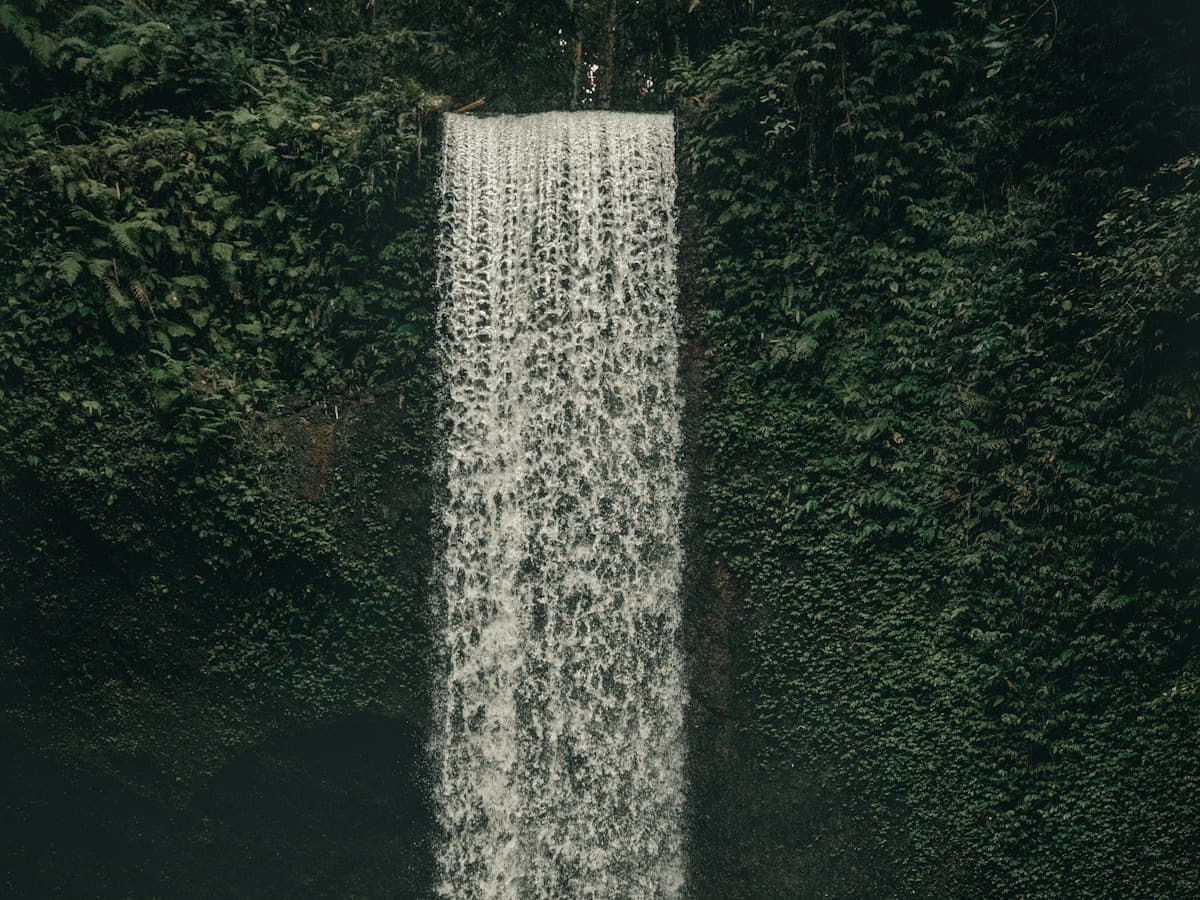
A brief history of Munduk
Munduk was a Dutch colonial hill station long before it became a traveller's destination. In the late 19th century the Dutch administration cleared the ridge for coffee plantations, bringing in Javanese and Balinese workers to cultivate the steep slopes above the northern coast. The clove trees that now define the valley's scent were introduced around the same period — clove was a Dutch trading monopoly, and the fertile highland soil of Buleleng proved ideal. The village that grew around the plantation infrastructure is essentially unchanged in outline: a single road along a ridge, wooden houses tucked between trees, and the smell of clove drying on roadside mats from July onwards.
Unlike Bali's southern coast, Munduk was never a beach resort destination. Its transformation into a guesthouse hub came in the 1990s when a handful of Balinese families opened their homes to travellers seeking relief from the heat and noise of Kuta. The concept of the rice-barn lodge — converting traditional lumbung structures into guest rooms with valley views — originated here, and the design aesthetic spread south to Ubud and beyond. The village remains small, quiet, and family-run; the same families who built the first guesthouses still operate most of the accommodation today.
The twin lakes Tamblingan and Buyan below the ridge have been sacred since long before Dutch arrival. Lake Tamblingan's water temple, Pura Ulun Danu Tamblingan, is one of Bali's nine directional temples (Kahyangan Jagat) and continues to function as an active place of worship. The lake itself is protected — no motorised boats, no fish farming, no development on its shores. This combination of colonial agricultural history, intact Balinese temple culture, and deliberately slow tourism development makes Munduk one of the few places on the island where the landscape and the community feel genuinely continuous with their own past.
Best time to visit Munduk
Munduk is a highland destination — the seasons here are the inverse of the beach towns in some ways. Cool and clear mornings are the main draw, and the wet season makes the waterfalls more dramatic rather than less.
Dry season — April to October
Clear mornings, lower humidity, and the best visibility for lake and valley panoramas. The clove harvest runs July–August and fills the village with a distinctive spiced smell. Waterfalls run at a moderate level — still beautiful, not overwhelming.
Wet season — November to March
The waterfalls are at their most powerful and the jungle is deepest green. Morning mist on the lakes is most dramatic. Afternoon cloud closes in earlier — start hikes by 7 am. Roads can be slippery; take care on the steep descent to the north coast.
Sweet spot
May–June and September–October: post-rain green landscape, waterfalls running well, cool dry mornings, no peak-season crowds. Munduk rarely gets truly crowded — the drive alone filters out casual visitors.
Local notes
- Munduk sits at 850 m — pack a light jacket. Evenings drop to 17–20°C year-round; mornings before sunrise can feel cold coming from the south coast.
- The road from Ubud to Munduk via Bedugul is one of Bali's great drives but takes 1.5–2 hours on mountain roads — do not underestimate the journey time.
- Leeches appear on jungle trails after rain — wear closed shoes and check ankles after any forest walk.
Money & practical tips for Munduk
Getting there
Munduk is 80 km from the airport — about 2.5 hours by car via the Bedugul mountain road. Most visitors arrive from Ubud (1.5 hours) or on a north Bali loop from the south coast. A private driver is strongly recommended; the mountain road has no public transport worth using.
Cash
There are no ATMs in Munduk village itself — withdraw cash in Singaraja (30 min north), Bedugul (30 min east) or before leaving the south. Most guesthouses and warungs are cash only.
Hiking conditions
Trails to the waterfalls are muddy after rain — wear closed shoes with grip. Leeches are common in wet season; tuck trousers into socks and carry salt or lighter fluid. All trails are manageable without a guide, but a local guide adds context about the plantations and can show secondary waterfalls not marked on maps.
Where to stay in Munduk
Munduk has no resort strip and no beach-town hotel scene. Accommodation is split between guesthouses in the village — most within walking distance of the waterfall trailheads — and a cluster of rice-barn lodges on the ridge above with panoramic valley views.
Budget
USD 20–55 / nightMunduk village main road
Family-run guesthouses a 5–15 minute walk from the Munduk Waterfall trailhead. Simple and clean, often with a garden terrace and valley view. The most practical base for early-morning hike starts.
Tamblingan village
Quieter cluster of guesthouses at the Lake Tamblingan canoe launch — ideal if you want the lakeside atmosphere at a low price and don't mind the 20-min drive to the waterfalls.
Mid-range
USD 55–150 / nightPuri Lumbung ridge
Traditional rice-barn lumbung structures converted into private rooms with open-sided terraces hanging over the jungle slope. Waking up to valley mist from a lumbung terrace is the defining Munduk experience. Trailheads are a short drive downhill.
Bedugul / Wanagiri
Mid-range guesthouses at the eastern end of Lake Buyan — 10 minutes from the Wanagiri viewpoint. Good choice for travellers combining the twin lakes with a Bedugul day trip.
Munduk FAQ
?How many days should I spend in Munduk?
Two nights is ideal — arrive in the afternoon, do the waterfalls and a plantation walk the next morning, visit the twin lakes on the way in or out. One night is possible as a Ubud side trip. Longer stays suit travellers who want serious trekking into the highland forest.
?Can I visit Munduk as a day trip from Ubud?
Yes — Ubud to Munduk is about 1.5 hours each way via the Bedugul lake road. Leave by 7 am to have a full morning at the waterfalls and lakes before the afternoon cloud closes in, then drive back before dark. The road is mountain-narrow and should not be driven after sunset.
?What is the best waterfall in Munduk?
Munduk Waterfall is the easiest and most visited. Melanting Waterfall (20 min further on the same trail) is taller and less crowded. Golden Valley Waterfall requires a longer hike but rewards with complete solitude. Most guides will take you to two or three in a single morning.
?Is Munduk good for families?
Yes for families with older children (8+) who can walk jungle trails and handle cool temperatures. The waterfall walks are moderate, the guesthouses are quiet and friendly, and the plantation tours are genuinely interesting for curious kids. Not suitable for infants or very young children given the road and trail conditions.