A brief history of Seminyak
Seminyak was a fishing village long after Kuta, its southern neighbour, had become Bali's first mass-tourism destination. In the 1970s and early 1980s the strip now lined with beach clubs was empty except for a few coconut palms, a handful of fishing boats pulled up on the grey-gold sand, and the quiet sea temple Pura Petitenget watching over it all. The village's name means 'washed by the sea' in Balinese, a description that fit its exposed west-coast position on the Indian Ocean.
The shift came in the late 1980s when a small group of expat designers, artists and entrepreneurs who had outgrown Kuta began buying plots along Jalan Laksmana — later nicknamed Oberoi Street after the luxury hotel that anchored its southern end. They opened boutique guesthouses and small restaurants with a design sensibility that was deliberately different from the budget hustle of Kuta. By the mid-1990s, Seminyak had a recognisable identity: quieter, more curated, and attracting a wealthier, longer-stay visitor. Word spread through the expat circuit; fashion designers from Australia, Europe and Japan followed.
The beach-club era began in earnest in the 2000s. Ku De Ta opened in 2000 on a beachfront plot and almost single-handedly invented the concept of the Bali all-day beach club — pool, restaurant, DJ and loungers, open from noon to midnight. Potato Head followed in 2010 with its architectural facade of 4,000 reclaimed louvred doors and a full-day music programme. Both attracted international press and set the template for the dozen clubs that now line the beach. Seminyak today is a different place from the fishing village of 1980, but Pura Petitenget still stands on its beachfront rock, ceremonies still draw locals in white and yellow at full moon, and the fishermen's descendants still launch boats at dawn a few hundred metres north.
Best time to visit Seminyak
Seminyak shares Bali's two-season pattern — dry (April–October) and wet (November–March) — but as a beach destination the seasons matter more here than inland.
Dry season — April to October
Reliable sunshine, calm mornings, and the best swimming conditions. July–August is peak: beach clubs sell out sunbeds by noon and restaurant waits stretch to an hour. Book accommodation 2–3 months ahead.
Wet season — November to March
Short afternoon downpours, higher surf, and 20–35% lower prices. Beach clubs thin out but stay open. The rain usually clears within an hour and evenings are still warm and social.
Sweet spot
May–June and September–October: dry weather, shorter queues, and hotel rates that haven't hit the July–August peak.
Local notes
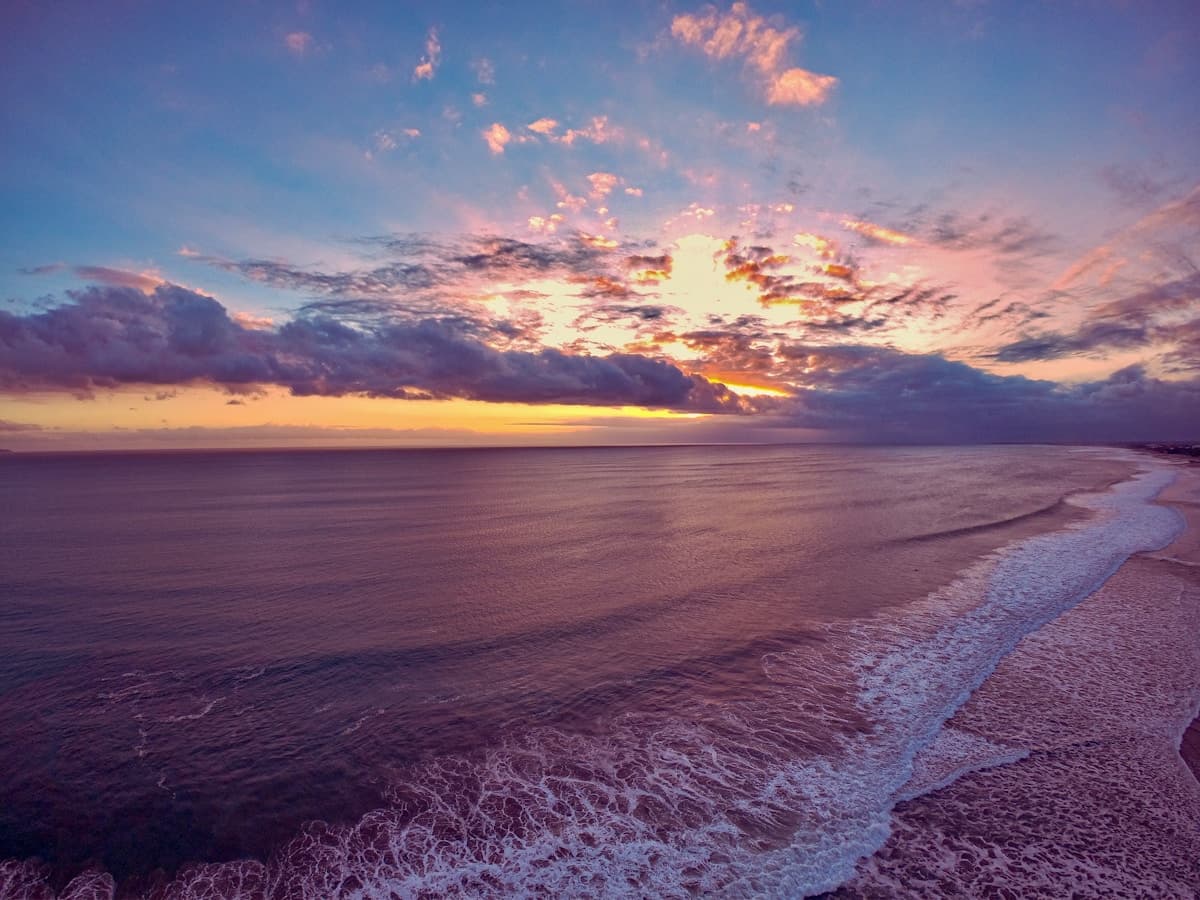
- Seminyak's west-facing beach means sunsets are reliably spectacular — overcast days still produce vivid colour at the horizon.
- Rip currents are present year-round; swim between the flags and ask your hotel which sections of beach are safest on any given day.
- Nyepi (Balinese Day of Silence, March) shuts all of Bali for 24 hours — no transport, no beach access, no leaving your hotel.
Money & practical tips for Seminyak
Currency & ATMs
Indonesian Rupiah (IDR) only. ATMs are plentiful on Jalan Kayu Aya and Jalan Raya Seminyak; use bank-branded machines (BCA, Mandiri) inside lit lobbies. Skip standalone street ATMs and always check for card-skimming devices.
Beach-club pricing
Most beach clubs charge a minimum spend (IDR 200–500k / USD 12–30) rather than a door fee — that spend typically covers one or two drinks. Sunbed reservations on weekends often require prepayment; book online by Thursday.
Getting around
Seminyak's streets are narrow and congested by afternoon. Walk north–south along the beach path where possible. Grab and Gojek work well but surge during sunset hours (4–7 pm). Scooter rental is USD 5–8 per day — useful for early-morning runs to Tanah Lot or Canggu.
Tipping
Restaurants add 10–15% service charge ("++") automatically. At beach clubs, an extra IDR 20–50k per round for attentive staff is appreciated but not expected.
Where to stay in Seminyak
Seminyak's accommodation runs from guesthouses on quiet back lanes to beachfront villas at resort prices. The area is compact enough that neighbourhood really matters — a 5-minute difference in location means the difference between walking to the beach and needing a Grab for every errand.
Budget
Under USD 40 / nightJalan Double Six / north Seminyak
Guesthouses and small hotels on the quieter northern edge — 10 min walk to Double Six Beach and an easy Grab south to the beach-club strip.
Legian (south end, near Jalan Padma)
Technically Legian but walkable to Seminyak in 15 min — noticeably cheaper, still close enough to use Seminyak's restaurants and beach without paying Seminyak prices.
Mid-range
USD 60–180 / nightJalan Petitenget
The strip that runs from Pura Petitenget north toward Canggu — boutique hotels and private-pool villas, 5 min walk to the beach, less traffic than the main Seminyak drag.
Kerobokan villa belt
Just north of Seminyak's border — private-pool villas at mid-range prices, quiet residential lanes, excellent restaurants within walking distance.
Luxury
USD 250+ / nightJalan Laksmana (Oberoi strip)
Seminyak's original luxury corridor — the Oberoi and several boutique design hotels are here; walk to the best restaurants and a 5-min stroll to the beach.
Beachfront, Jalan Kayu Aya
Direct beach access from some properties; highest prices in Seminyak but you can walk straight onto the sand at dawn before the beach clubs open.
Seminyak FAQ
?How many days should I spend in Seminyak?
Two to three nights is enough to do the beach clubs, eat well on Jalan Kayu Aya, visit Pura Petitenget and do a day trip to Tanah Lot or Canggu. Longer stays are comfortable but the area is compact — you'll loop back to the same streets.
?Is Seminyak good for families?
Yes, with caveats. The beach has rips, so younger children need close supervision in the water. Outside peak beach-club hours (post-9 pm), the area is calm and family-friendly. Several beach clubs have family sections. Nusa Dua or Sanur are calmer alternatives if you have small kids.
?How do I get from Seminyak to the airport?
By Grab or Gojek (USD 8–15, 20–35 min depending on traffic) or a pre-booked private transfer (USD 15–25). Avoid the 4–7 pm window if you have a flight — Seminyak's one-way streets can double journey times in the evening rush.
?What is the difference between Seminyak and Canggu?
Seminyak is polished and upscale — beach clubs, designer boutiques, fine dining. Canggu, 8 km north, is more casual — surf culture, cafes, co-working spaces, and a younger digital-nomad crowd. Many travellers split a trip between both.
?Do I need to book beach clubs in advance?
On weekends in July–August, yes — popular clubs like Potato Head sell out sunbeds by noon. On weekdays or in the shoulder season (May–June, September), walk-ins are usually fine if you arrive before midday.